A short introduction
Tarot
A deck of 78 cards born in Italy almost six hundred years ago. For many people today it is not a tool for predicting the future but a mirror: ancient images in which to recognize something of yourself.
Where it comes from
Tarot was born in the courts of northern Italy in the fifteenth century, as a card game. At first the cards were called trionfi (triumphs); the name tarocchi appears in the early sixteenth century. The oldest decks that survive are hand-painted cards made for the Visconti and Sforza families of Milan.
Only in the eighteenth century, in France, did people begin to read them in a symbolic and esoteric way. In 1909 the Rider-Waite-Smith deck, illustrated by the artist Pamela Colman Smith, was published in London: it is still the most widely used deck in the world, and many of the images we associate with tarot come from it.
How the deck is built
A tarot deck has 78 cards, divided into two large groups.
- 22 Major Arcana. These are the great figures: The Fool, The Magician, The High Priestess, The Empress, The Emperor, up to The Moon, The Sun and The World. They tell the great stages of a life.
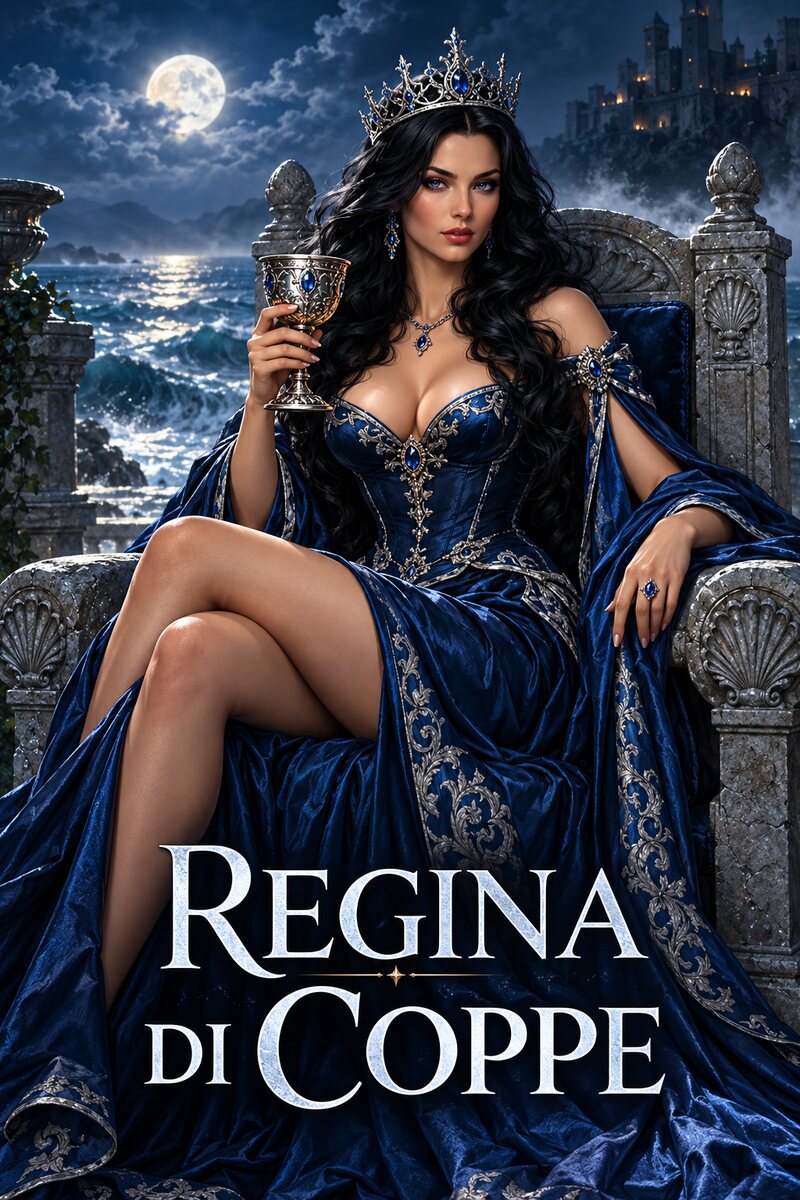
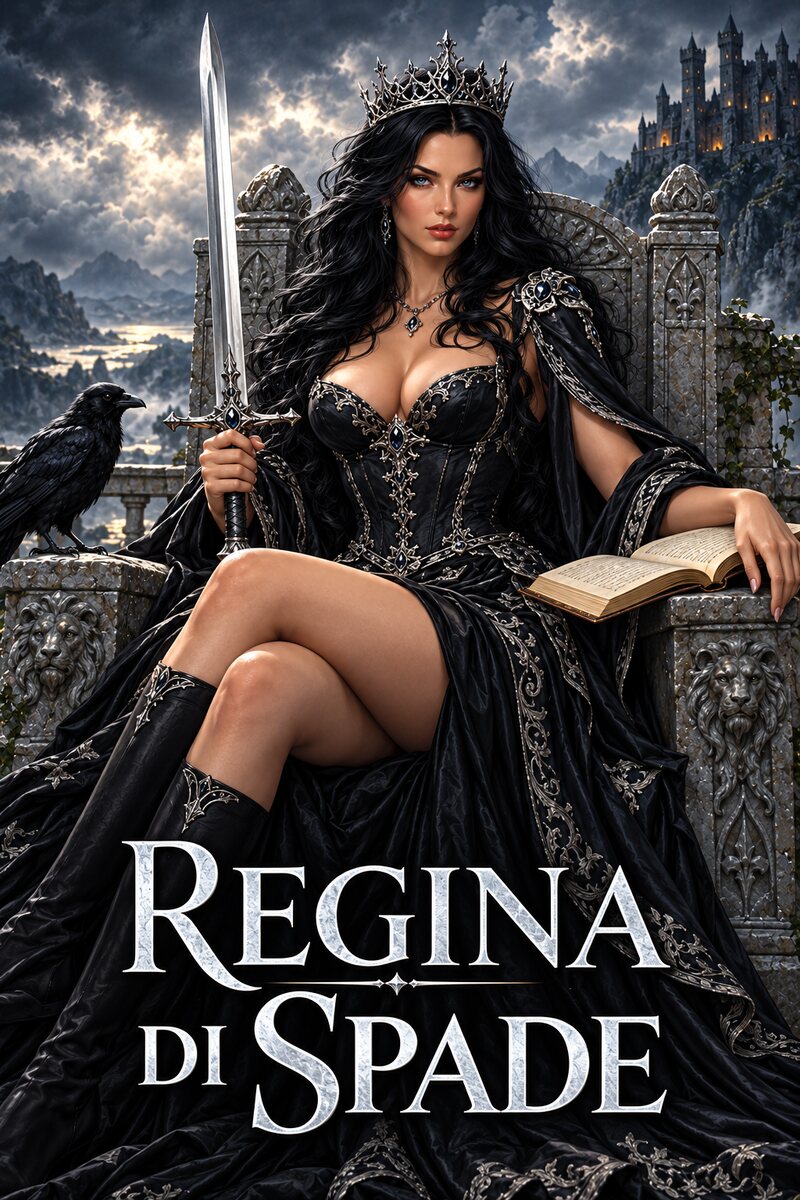
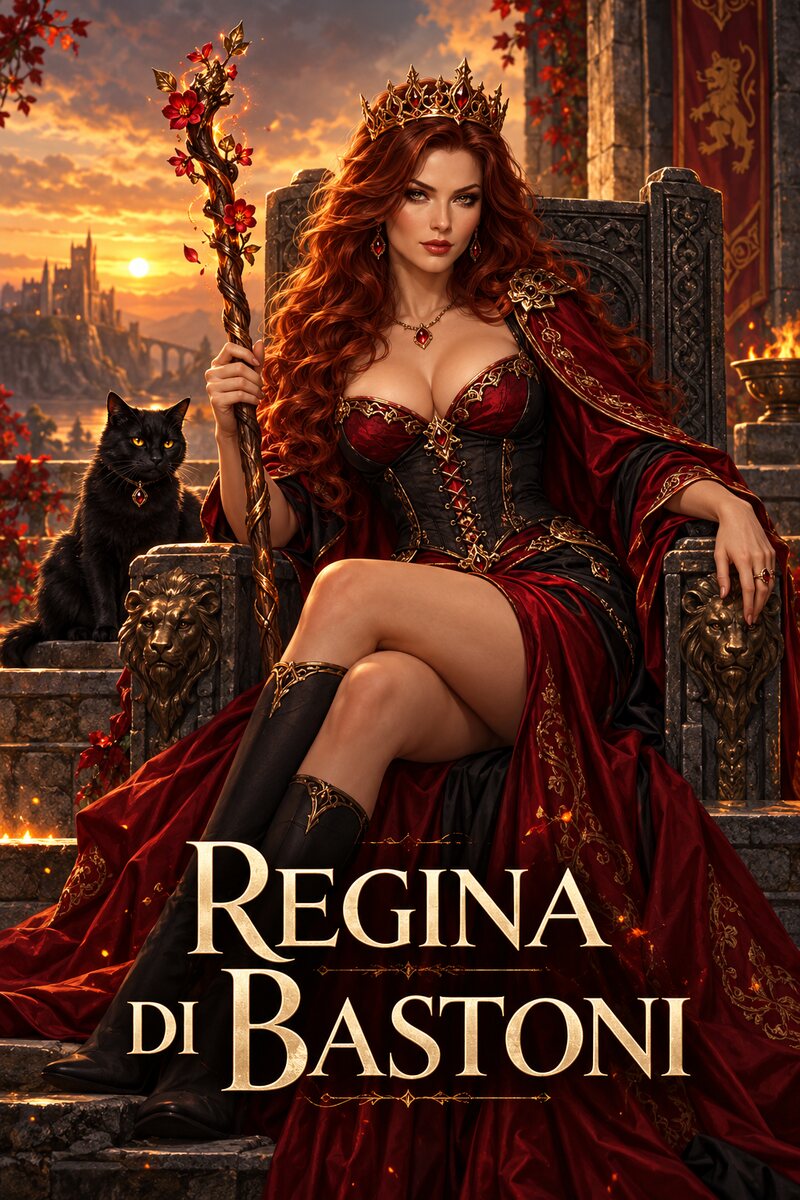
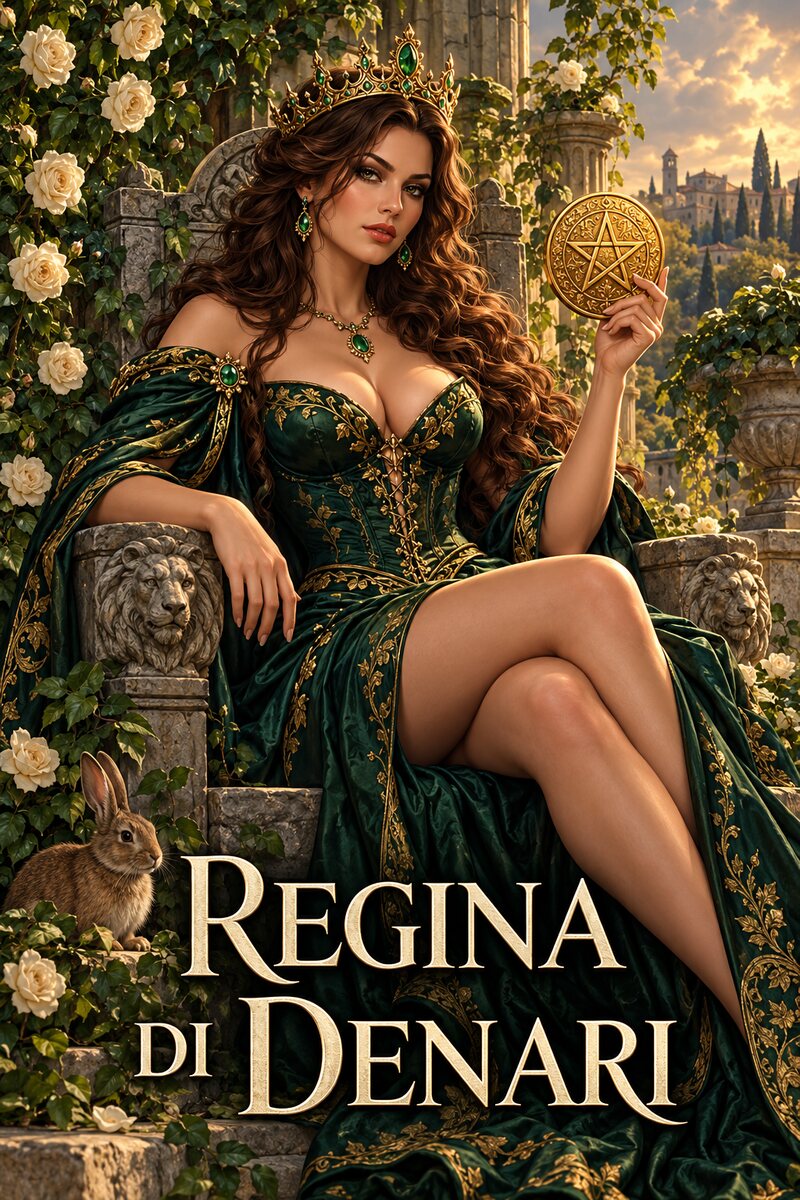
- 56 Minor Arcana. They are divided into four suits, the same as Italian playing cards: Swords, Wands, Pentacles and Cups. Each suit has ten numbered cards, from Ace to Ten, and four court cards: Page, Knight, Queen and King.
The Minor Arcana speak of everyday life: what we think, desire, build and feel.
The four suits and the four elements
In the most widespread tradition, each suit is linked to one of the four elements, and so to three signs of the zodiac.
| Suit | Element | Speaks of | Signs |
|---|---|---|---|
| Swords | Air | mind, words, truth, choices | Gemini, Libra, Aquarius |
| Wands | Fire | energy, desire, creativity | Aries, Leo, Sagittarius |
| Pentacles | Earth | body, work, money, worth | Taurus, Virgo, Capricorn |
| Cups | Water | emotions, love, intuition | Cancer, Scorpio, Pisces |
Some schools swap the elements of Swords and Wands. Here we follow the correspondence of the Rider-Waite-Smith deck, the best known.
The Empress
The Empress is the third card of the Major Arcana. She stands for abundance, creativity and fertility in every sense: the woman who is sovereign over herself and makes everything she touches flourish.
In Selene Marea's novels she is a presence you only glimpse. Where she leads, you will find out by reading.
Tarot as a mirror
You don't need to believe in divination to find something true in the tarot. The psychologist Carl Gustav Jung saw its figures as archetypal images: shapes that speak to everyone, in every age, because they tell experiences we all go through.
This is how Selene Marea looks at the four Queens: not as cards that tell what will happen, but as four voices living inside every woman, some stronger, some quieter, some more listened to than others.
Meet the four Queens
Swords, Wands, Pentacles and Cups: four ways of being a woman, each with her light and her shadow.
Which Queen is strongest in you?
Sixteen questions, no right answers. At the end you will see how much space each Queen takes up inside you.